

Wow! The world of Web3 moves fast. Seriously — one minute you’re reading about yield farming, the next you’re triangulating a cross-chain swap and wondering if your keys are still safe. My gut says most people underestimate how small decisions compound into big security gaps. Something felt off about the average onboarding flow I kept seeing, and yeah, that stuck with me.
Okay, so check this out — private keys are the actual ownership layer on-chain. Short version: if you control the key, you control the assets. No bank, no password reset, no “support ticket” to undo a bad transfer. That’s empowering. It’s also terrifying for folks who haven’t handled a mnemonic or a hardware device before. On one hand, hardware wallets remove a lot of attack surface; on the other hand, people lose seed phrases, or worse, copy them into cloud notes. Hmm… not a great combo.
Here’s the thing. You don’t need to be a crypto-native to make smarter choices. But you do need a wallet that treats private keys as sacred and makes dApp interactions obvious, not mystical. I’ve used many wallets over the years — some slick, some buggy — and the patterns that work are consistent: clear key custody, transparent dApp connections, and useful portfolio tracking without selling your privacy down the river. Initially I thought UX-first wallets were good enough, but then I realized security defaults matter more than the prettiest interface. Actually, wait—let me rephrase that: beautiful UX helps adoption, but defaults like automatic contract approval limits and session timeouts are what save people in real incidents.
A practical tour: private keys, dApp connectors, and portfolio trackers
Private keys: the boring but critical bit. You can hold them in three main ways — local software keys, hardware-secured keys, or custodial custody. Local keys (seed phrases stored on-device) are flexible and private, but if your device is compromised, so are your funds. Hardware keys (USB or Bluetooth devices) are much safer because the key never leaves the device, but they add friction and cost. Custodial solutions are easy, and they can be insured, though you’re trading ownership for convenience — a tradeoff some are willing to accept, others refuse. I’m biased, but I prefer non-custodial setups for long-term holdings; for day-to-day swaps, a mix works.
dApp connectors: these are the handshake between a wallet and an application. Think of them as a permission slip — the dApp asks, the wallet approves or denies. This is where things go sideways: excessive approvals, approve-all buttons, and unclear scopes. Wow, that approve-all button is dangerous. Users click it to save time and then wonder why a malicious contract cleans out wallets. Good connectors show the exact token, the amount, and the counterparty, and they offer granular revoke options later. If a wallet doesn’t make approvals obvious and reversible, don’t trust it with large balances.
Portfolio trackers: not just nice-to-have. They’re the simple dashboard that helps you see exposure across chains, NFTs, and yield positions. But trackers can also be privacy leaky; they often rely on public addresses and on-chain indexing. If you link accounts across services, you can get deanonymized patterns. Some wallets now include local, privacy-preserving tracking that indexes balances on-device without exporting your historical activity. That’s the sweet spot for power users who care about both visibility and privacy.
One more point — multichain is messy. Bridging assets, handling wrapped tokens, and reading balances across L2s requires a wallet that keeps metadata straight. I’ve seen tokens double-counted, and wallets that show stale balances for hours. That might seem small, but for traders and liquidity providers it’s very very important.
So what do I look for in a multichain wallet? Short checklist: clear key custody model, hardware support, granular dApp approval UI, built-in revoke tools, multi-chain balance accuracy, and a portfolio tracker that’s private-by-design. If the wallet integrates features like swap routing, price impact warnings, and native cross-chain support, that’s icing — but don’t let icing distract you from the cake: control of the private keys and clear dApp permissions.
How to evaluate dApp connections in your daily workflow
When a dApp asks to connect, pause. Seriously. Check the network, check the contract address (do a quick search), and confirm the exact permissions asked. If the dApp requests token approvals, consider using a limited-amount approval rather than infinite approval. Tools exist to help you revoke approvals after the fact, but prevention is better. If you’re doing repeated interactions with a trusted protocol, you can increase allowances, but for unfamiliar dApps, be stingy.
Also, session management matters. Wallets that keep sessions indefinitely are convenience-first and risky. Wallets that offer session timeouts and per-site controls give you safety without making you log in every minute. Personally, I use a hardware wallet for large holdings and a software account for active trading. Works for me; you might prefer a different split.
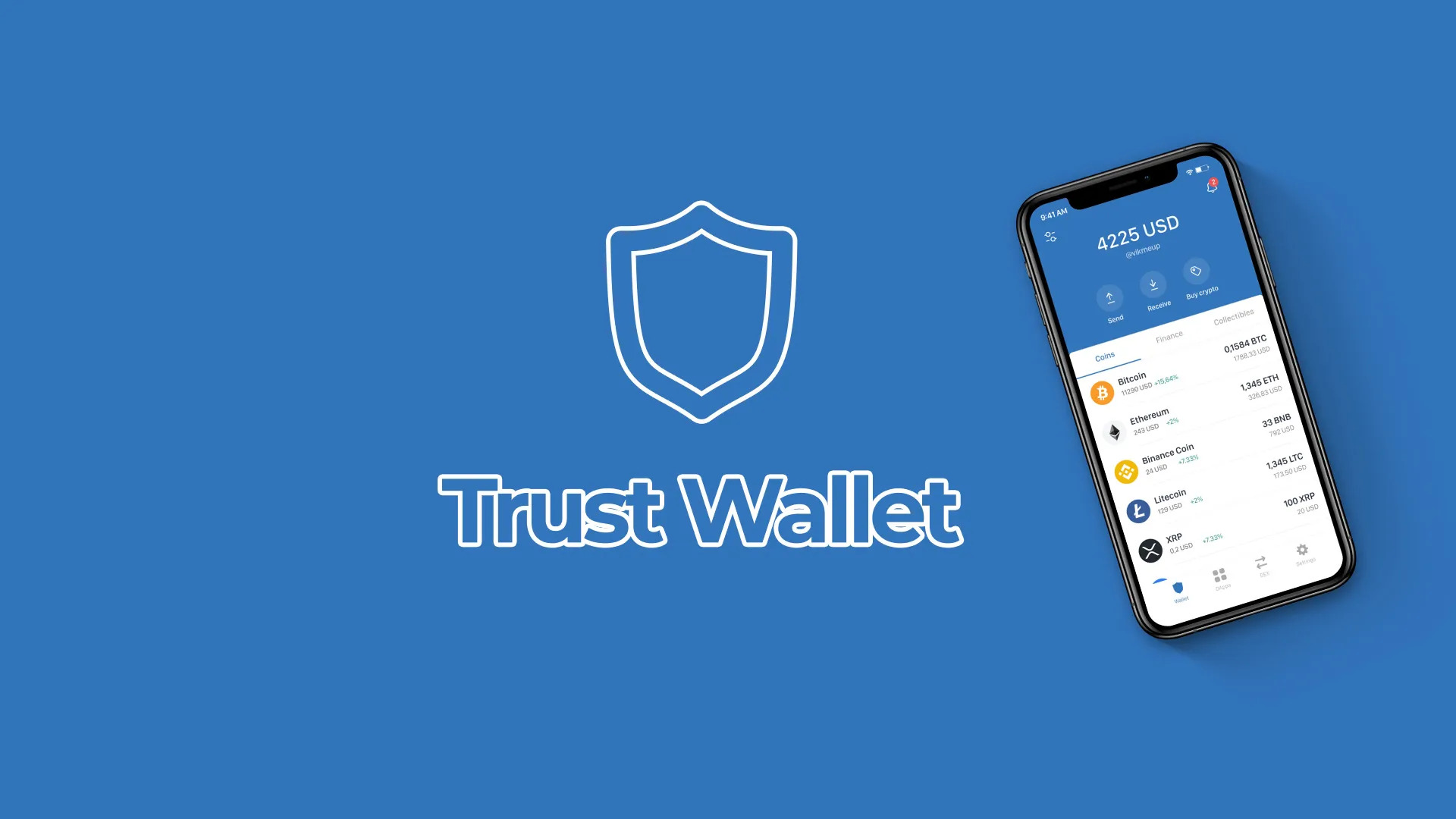
By the way, if you want to try a wallet that balances ease with security and shows smart dApp handling, check out truts. I like how it surfaces approvals and keeps the portfolio view tidy — easy to audit at a glance. Not an ad, just a rec from experience, and I don’t love everything about every wallet I try, but this one gets key basics right.
Let me be frank: no wallet is perfect. There are tradeoffs between convenience and airtight custody. Some wallets push “connect with one click” features that are frankly lazy design choices. That bugs me. If you plan to hold significant assets, adopt a threat model: who are you defending against — your own mistakes, phishing sites, or nation-state actors? Your threat model changes the tools you pick. For casual use, a less complex wallet might suffice; for serious holdings, hardware + non-custodial multichain support is the move.
FAQ
Q: What happens if I lose my seed phrase?
A: If you lose it and have no backup, recovery is effectively impossible — that address is gone forever. Back it up offline, in multiple secure places. Use a hardware wallet seed backups, or a secure paper/metal backup stored in a safe deposit box. I’m not 100% sure of every vendor’s method, but the principle is the same: backups are non-negotiable.
Q: Should I use infinite token approvals?
A: Avoid infinite approvals unless you fully trust the counterparty and understand the risk. Set limited allowances for unknown dApps and revoke when you’re done. There are revocation tools and some wallets include them natively — use them.
Q: How do portfolio trackers protect my privacy?
A: The best ones compute indexes locally and only fetch minimal on-chain data, avoiding account linking to third-party analytics. If a tracker asks you to upload keys or API tokens, that’s a red flag. Keep tracking on-device where possible, or use reputable open-source solutions that you can audit.